
Most food and beverage brands already know the major food and beverage trends shaping 2026. The brands pulling ahead are not just spotting them; they are acting on them faster and more effectively.
This is the key difference in 2026. The global food and beverage market is worth about $7.4 trillion and continues to grow. Consumer expectations are changing faster than product cycles. Brand teams now face more pressure than ever to respond quickly and clearly across many markets at the same time.
The following are not predictions. These are the trends already changing product strategy, brand positioning, and market expansion decisions today. There are seven, each with real commercial impact.
Jump to:
- Functional health: the baseline of every food & beverage strategy in 2026
- Clean-label and ingredient transparency are under the microscope
- Global flavor acceleration is rewriting the innovation playbook
- The sober-curious movement: 2026’s fastest-growing beverage trend
- Sustainability has moved from story to scrutiny
- Premiumization is getting more selective and story-driven
- Asia Pacific is redefining what global growth looks like
1. Functional health: the baseline of every food & beverage strategy in 2026
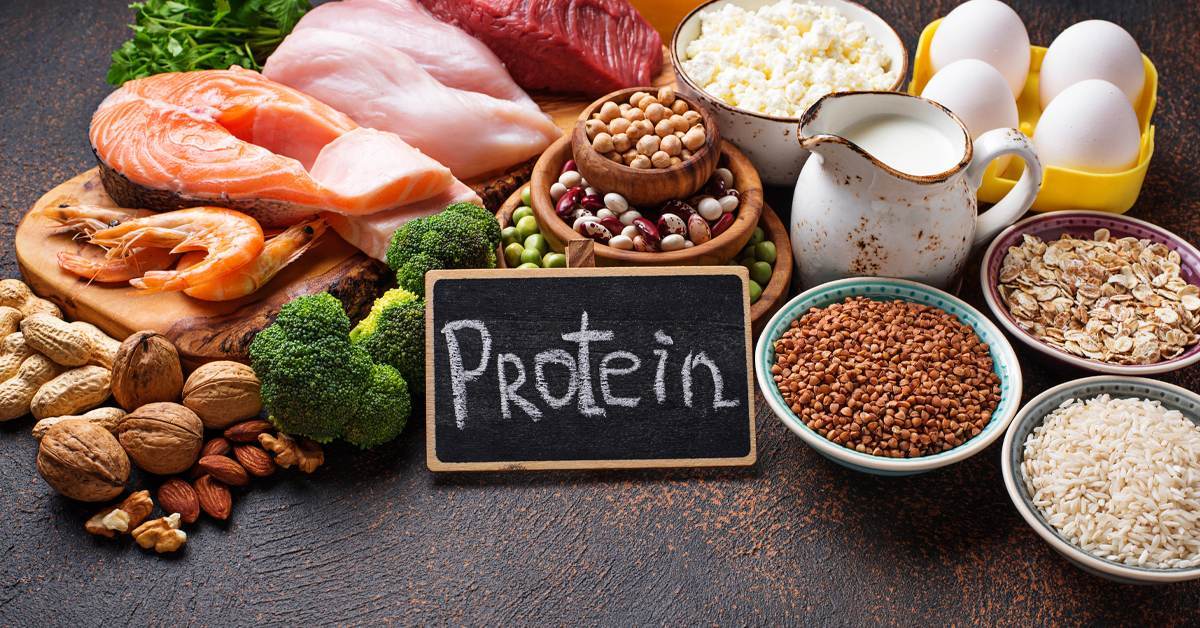
Protein used to be a performance claim. Gut health used to be a niche. Not anymore.
According to Innova Market Insights, at least half of all consumers globally are actively working to increase their protein intake. Over half now consider gut health a top priority, with 59% of global consumers saying gut health is very important for the entire body. Functional foods targeting immunity and energy are among the fastest-growing categories in new product development, driven by demand for products that support holistic and functional approaches to wellbeing.
The functional beverage market tells the same story. Currently valued at $171 billion, it is projected to reach $330.8 billion by 2034, according to Stratistics MRC. Nootropic drinks for focus and GLP-1 companion beverages designed for consumers on weight-loss medications are among the fastest-growing formats right now, a category that barely existed two years ago.
The most important change for brand teams is that functional claims are now expected, not special. What sets products apart today is how clearly and credibly those claims are communicated, in every market and language, to every consumer reading the packaging. For food and beverage brands in 2026, functional claims are now the price of entry, not the differentiator.
2. Clean-label and ingredient transparency are under the microscope
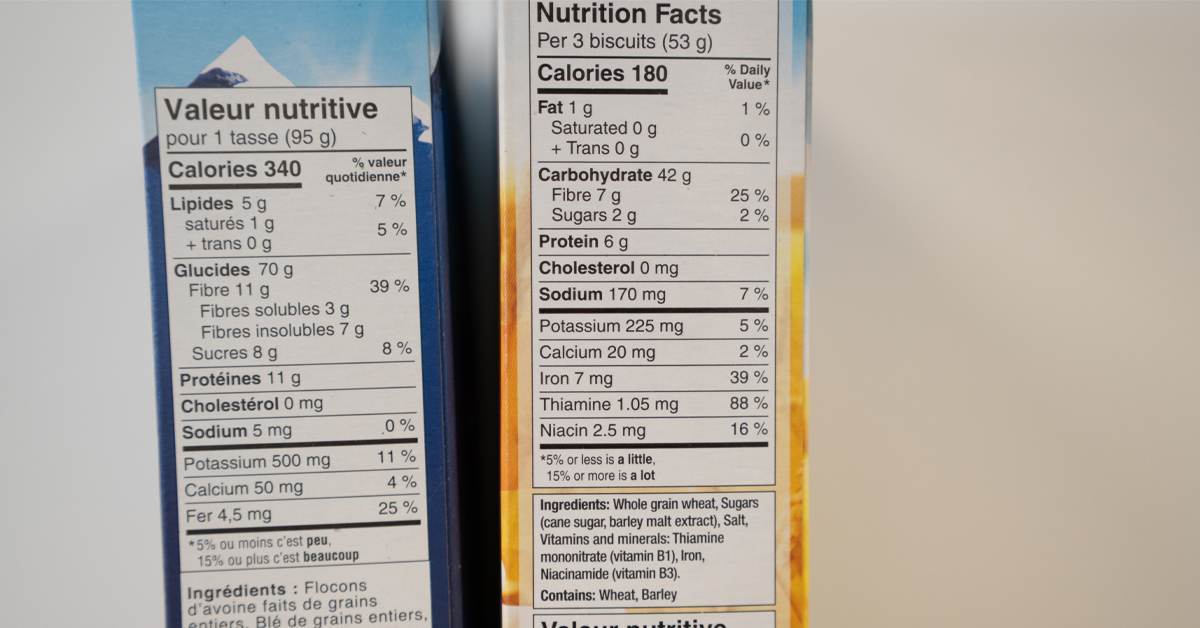
Consumers do more than just read labels now. They use apps to scan them, take photos, and check ingredients with AI tools before deciding to buy.
NIQ reported in 2025 that 71% of consumers scrutinize product ingredients, origins, and nutritional benefits before purchasing. Globally, 82% say that labels on health and wellness products need to be more transparent and easier to understand. The clean-label market is responding: projected to grow from $57.3 billion in 2025 to over $212.4 billion by 2035, according to Future Market Insights. That is a 15.5% CAGR. Not a trend. A structural shift.
Trend reports often miss an important point: “clean” does not mean the same thing everywhere. What looks transparent and trustworthy on packaging in one market might seem unfamiliar or even suspicious in another. Ingredient names and regulations vary, and what consumers expect on a label can be very different from region to region.
For teams handling products in several markets, labeling is also about communication. The food industry knows this challenge well. A single label almost never works perfectly in every market.
3. Global flavor acceleration is rewriting the innovation playbook
The word “flavor” traces back to the Old French flaour, a concept that blended smell and taste into a single sensory experience before modern science ever separated them. That feels fitting in 2026, because the most exciting flavor innovation happening right now is similarly difficult to categorize.
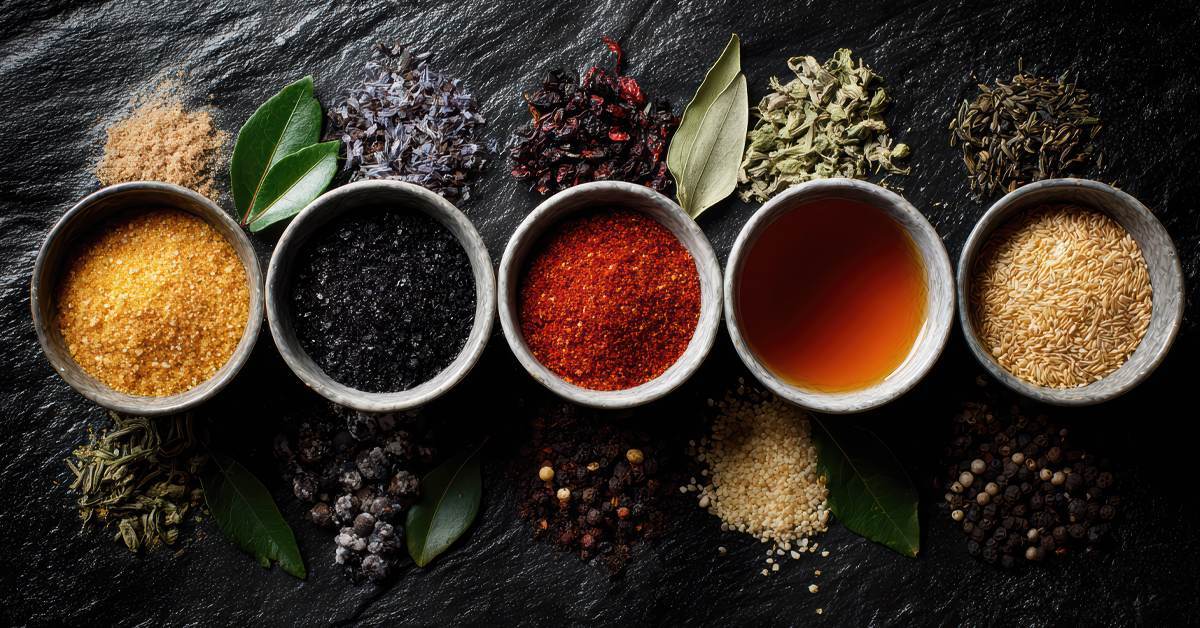
TikTok and Instagram are doing what the Silk Road once did. Consumers in Manchester, Mexico City, and Melbourne are discovering and demanding regional ingredients, fermented foundations, botanical bitterness, and hyper-local herbs from cultures they have never visited. According to T. Hasegawa’s 2026 Flavor Trends Report, flavor innovation this year is guided by regional ingredients from Latin America alongside fermented and botanical profiles driving deeper flavor complexity.
Brown Gibbons Lang & Company calls this “Global Flavor Acceleration,” pairing familiar, emotionally reassuring tastes with bolder global profiles and hybrid concepts like “swicy” (sweet-and-spicy) combinations now appearing across snack, beverage, and condiment categories at the same time.
There is a huge opportunity here, but also real responsibility. Using a flavor from another culinary tradition without understanding its cultural meaning can be risky for a brand’s reputation and business. The most successful brands do more than just find new ingredients; they also learn what those ingredients mean in their original context. This takes real effort.
4. The sober-curious movement: 2026’s fastest-growing beverage trend
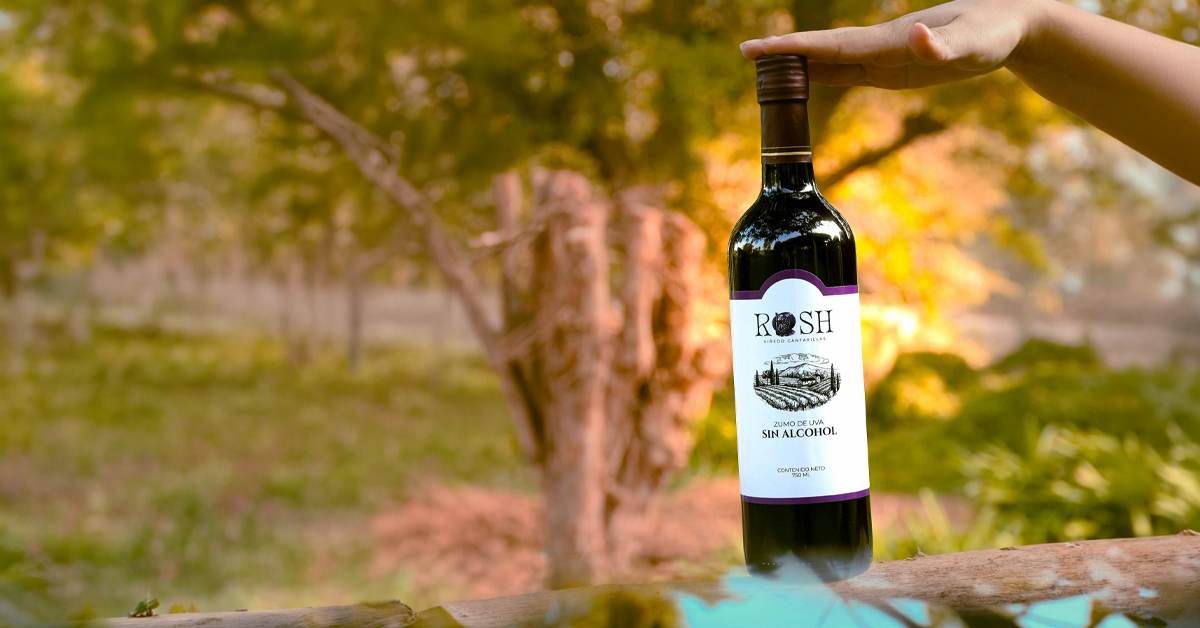
Few food and beverage trends in 2026 have moved faster than the sober-curious movement. No- and low-alcohol drinks were a small niche three years ago. Now, they represent one of the biggest shifts in the beverage industry.
The drivers vary by market, which is part of what makes this trend so interesting. In Western Europe and North America, it is primarily a wellness story, shifting attitudes toward alcohol’s long-term health impact and a generation of younger consumers who simply drink less than their parents did. In parts of the Middle East and across Asia, the growth of no-alcohol ranges is opening entirely new consumer groups for global beverage brands that previously had no entry point.
The category has also matured past compromise. According to Datassential’s 2026 Trends report, nearly half of Gen Z consumers (49%) say that reducing alcohol consumption will be an important part of improving their health in 2026. Tea-based mocktails and cocktails are rising alongside the sober-curious movement, and non-alcoholic distillery tasting rooms and dedicated stores have reached 34% consumer awareness and 41% interest, creating entirely new retail environments that simply did not exist a few years ago.
It is worth asking: is your no- and low-alcohol range seen as a compromise, or as a real choice? The answer depends on the market and how you communicate with consumers there.

5. Sustainability has moved from story to scrutiny
Sustainability commitments were once a way to stand out. Now, they are expected as standard.
According to Catena Solutions’ 2026 F&B Outlook, the push for better-for-you products is no longer a trend but an expectation, spreading across categories, manufacturing, packaging, pricing, and ingredient strategy. Brands that can tell a compelling story are winning shelf space. But the bar for what counts as a compelling story is rising fast, and not all early commitments have proven realistic. Some major brands have already revised their sustainability targets after discovering the operational and cost realities of delivering on them at scale.
In practice, sustainability is no longer just a marketing issue. It now affects supply chain, procurement, and operations simultaneously. For global brands, these conversations take place across time zones and under different regulatory frameworks. If your message is clear in one market but inconsistent in another, it is not just a communication problem; it can be a business risk.
6. Premiumization is getting more selective and story-driven
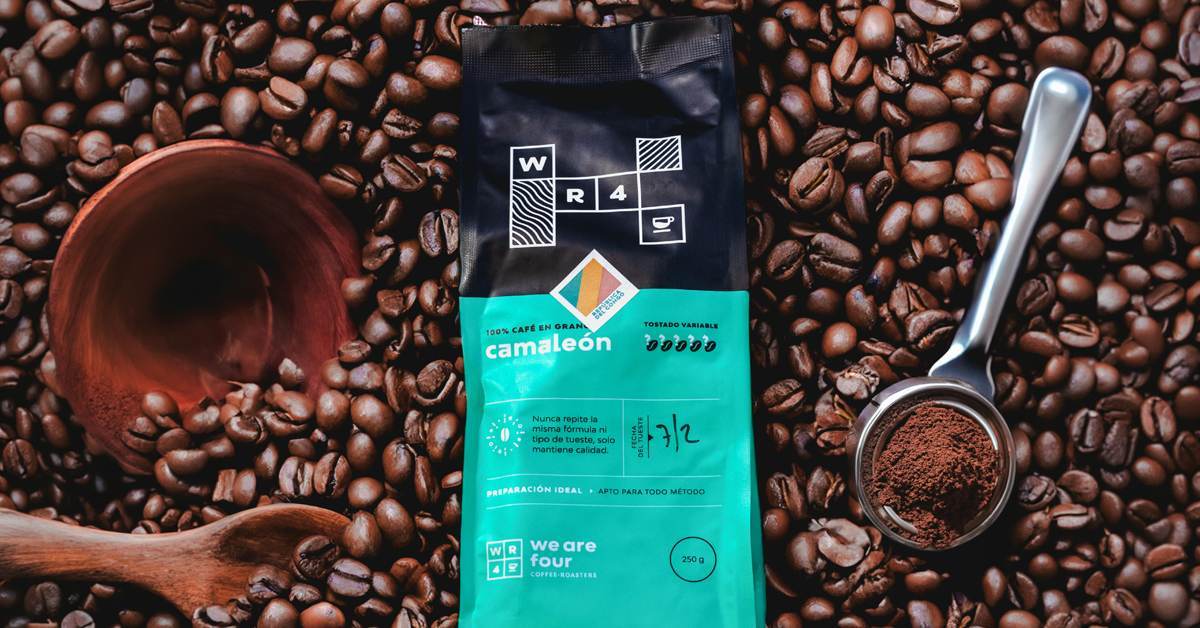
Premium products once sold themselves with a clean design, higher price, and a general sense of quality. That time has passed.
According to Brown Gibbons Lang & Company, premiumization in 2026 is becoming story-driven by necessity. Successful premium products need a clear, specific “why,” rooted in genuine health benefits, provenance, convenience, or ethical positioning. Incremental upgrades at higher price points are not converting as well as they once did.
This is playing out against real price sensitivity. Innova Market Insights identifies accessibility and affordability as key factors shaping consumer food and beverage choices in 2026, sitting alongside health as a primary purchase driver. Which means premium brands are operating in a market where the bar for justifying a higher price has never been higher, and patience for vague storytelling has never been lower.
Brands that succeed here are not giving up on premium. Instead, they are telling clearer stories and making sure their message is consistent in every market.
7. Asia pacific is redefining what global growth looks like
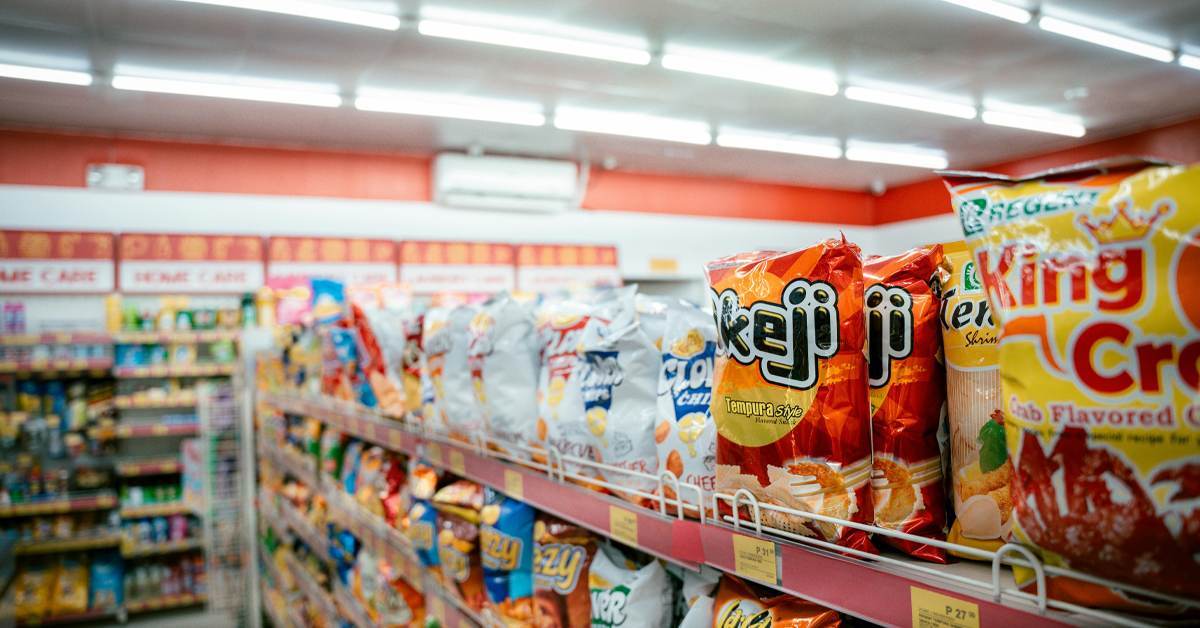
Asia Pacific accounts for roughly 36% of global F&B revenue, making it the largest regional market in the world, with India and Southeast Asia driving incremental demand at a pace that is attracting serious investment from international brands.
What market data alone doesn’t capture is this: the brands succeeding in Asia Pacific are not just translating their existing products, they are genuinely localizing them for each market.
Mars Wrigley Asia’s Regional Director of Strategy, Sanjib Bose, put it plainly: “For brands to succeed today, we can remain global in identity but must act locally when executing product and consumer strategies.” Suntory Global Spirits, rooted in Japan, has built a dedicated APAC Commercial Excellence team with exactly this in mind. Bruce Song, Suntory’s VP of Commercial Excellence for APAC, explained: “Regional growth in this region needs proper localized innovations and strategies, which requires deep consumer understanding.” (FoodNavigator Asia, January 2026)
The real challenge is bridging the gap between a global brand identity and local execution. Global Lingo helped Pret A Manger expand into Europe and the Middle East by localizing over 100 files per project, including training materials, manuals, allergen notices, menus, and eLearning courses. Each market had its own requirements, and every launch needed to be right the first time. Read the Pret A Manger case study.
What these food & beverage trends mean for your brand
In 2026, the leading food and beverage brands are not always those with the largest R&D budgets or the boldest products. Instead, they are the ones who can take a trend and communicate it clearly and consistently in every market.
Each of these food and beverage trends in 2026 only adds commercial value if your brand can communicate it credibly to the right consumer, in the right language, with the right cultural context. That is harder than it sounds. A functional health claim that resonates in Germany may need to be reframed entirely for Japan. A premium brand story that lands in the US can feel tone-deaf in the Middle East if it hasn’t been properly localized. And a sustainability message that builds trust in Scandinavia may require a completely different approach in Southeast Asia.
These are not translation problems. They are communication problems, and they show up at every stage of a market expansion, from packaging and labeling to training materials, product descriptions, and digital content. If you want to dig deeper into where food and beverage brands most commonly run into language and localization barriers, our guide to the five biggest challenges in the food industry is a practical starting point.
If these trends are influencing your expansion plans or product strategy, contact Global Lingo to learn how we help food and beverage brands share their story clearly in every market.