
The retail industry trends shaping 2026 put brands in an interesting position. Foot traffic is recovering, AI investment is accelerating, and consumer spending has held up better than most predicted. The brands making the most of that momentum are the ones who’ve worked out how to take a strong global strategy and make it feel genuinely local, in every market, for every customer, in every language.
That’s the gap that matters in 2026. Consumer expectations are moving faster than operating models, the pressure on brand and marketing teams to respond clearly and quickly across multiple markets at once has never been higher, and the brands feeling that most acutely are usually the ones who’ve invested heavily in the right strategy but haven’t yet connected it to the right linguistic infrastructure to deliver it.
What follows aren’t predictions. They’re the trends already reshaping retail strategy, brand positioning, and international growth decisions right now, six of them, all with real commercial weight behind them.
Jump to:
- AI personalization is everywhere, but it only works in the right language
- Omnichannel is the standard; multilingual omnichannel is the differentiator
- The value-seeking consumer wants clarity, not just price
- Sustainability messaging has to mean something locally
- Physical retail is back, and it needs to speak the local language
- Hyper-local is where global strategy actually lives
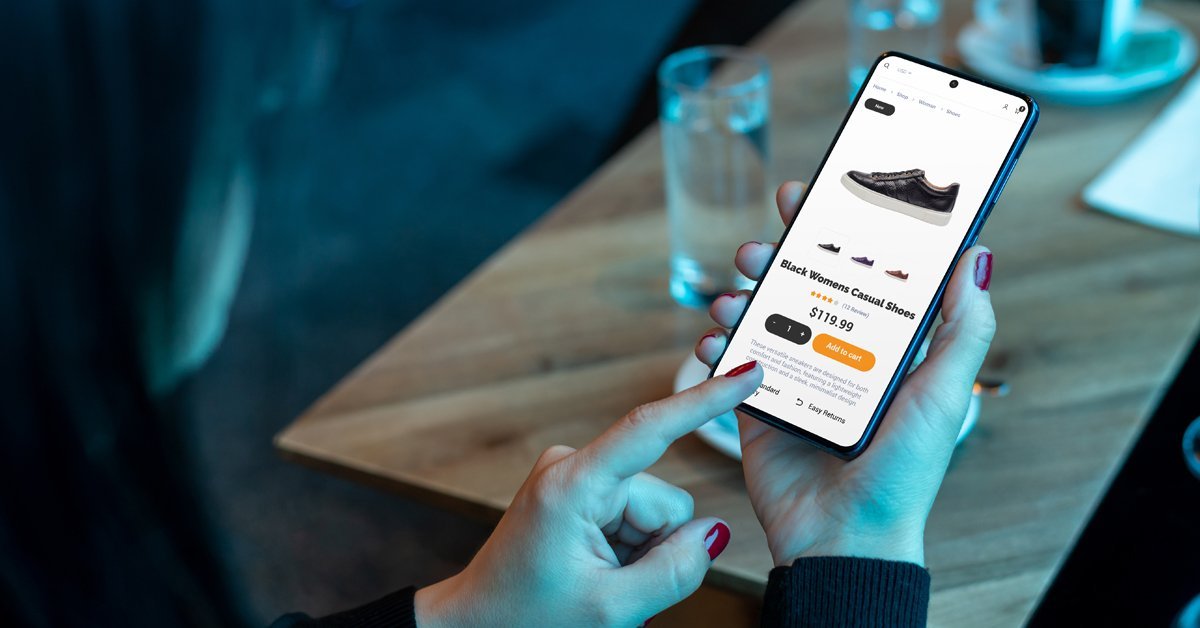
1. AI personalization: the retail industry trend that only works in the right language
AI in retail has moved decisively from pilot project to operational reality, and according to the National Retail Federation, artificial intelligence is now transforming how retail businesses operate and engage customers at scale, from inventory forecasting to dynamic pricing to personalized product recommendations that adjust in real time.
Walmart has built AI-driven recommendation engines into both its app and its physical store environments. At NRF 2026, Google unveiled the Universal Commerce Protocol, a new open standard developed in partnership with Shopify, Etsy, Wayfair, Target, and Walmart, designed to let AI agents operate seamlessly across the entire buying journey from first discovery right through to checkout.
Here’s the part that rarely makes it into the announcements, though: all of that personalization depends entirely on language, and when the language isn’t right, the intelligence behind it becomes largely invisible to the customer.
An AI recommendation engine surfacing products in slightly-off French, a chatbot that handles English queries brilliantly but switches to stiff, over-formal German the moment the language changes, a personalized email campaign that converts beautifully at home and lands flat in three new European markets; these are all symptoms of the same underlying problem, which is that the investment in technology has outpaced the investment in linguistic quality.
The brands closing that gap aren’t just translating their AI outputs, they’re investing in genuine linguistic adaptation, making sure that tone, terminology, and cultural context carry through at every touchpoint, so that the result is personalization that actually feels personal regardless of which market the customer happens to be in. It’s one of the most important retail industry trends of 2026 that almost no one is talking about publicly

2. Omnichannel is the standard; multilingual omnichannel is the differentiator
Consumers no longer think in channels, they browse on their phone, buy in-store, return via app, and expect the whole journey to feel coherent and joined up, and according to KPMG’s NRF 2026 recap, the shift isn’t about adding more digital touchpoints but about creating a single, unified view of the customer across all of them.
Most retail brands have made serious progress on the technology side of this, investing in platforms, integrations, and data infrastructure to make the omnichannel experience feel seamless. The part that tends to lag behind, often without anyone quite noticing until performance data starts to look odd, is making sure every touchpoint actually communicates in the customer’s language.
A genuinely joined-up omnichannel experience in an international market requires a lot to work together. Localized website, in-language product listings, multilingual customer service scripts, localized push notifications, in-store signage, and loyalty program communications that feel personal rather than translated. That’s a significant volume of content, and it all has to work well.
The brands gaining ground in international retail aren’t necessarily doing more than their competitors, they’re making sure that what they’re already doing lands properly in every market they’re in, and that’s a linguistic discipline as much as a technological one.
We explored this in more detail in our piece on how the explosion of digital touchpoints is redefining localization, which is worth reading if you’re managing a multilingual retail presence.
3. The value-seeking consumer wants clarity, not just price
Among the retail industry trends defining this year, the value story is one of the most commercially urgent. Something is happening at both ends of the market simultaneously, and it tells the same story from two very different directions. At one end, shoppers are trading down, reaching for private label and questioning whether premium pricing is genuinely earned. Smurfit Westrock’s 2026 retail trends analysis reports that private label sales reached $277 billion in 2025, surpassing the previous record. Walmart’s launch of its largest private brand food range in 20 years is a clear signal of where the market is heading.
At the other end, emerging brands with genuine personality and a clear point of view are growing fast, even in categories dominated by long-established names, accounting for less than 2% of market share in their categories but delivering 39% of category growth in 2024. What both trends are saying, when you put them together, is that the clarity of your value proposition matters more right now than almost any other single factor.
That’s a harder problem in international markets than it looks on paper, and the gap becomes visible quickly when you see it play out.
When the numbers don’t add up, language is usually why
Take a brand like StyleCo, a hypothetical mid-sized fashion retailer expanding into Germany and France: solid omnichannel setup, AI recommendation engine live, logistics fully sorted, but conversions running at half the rate they achieve at home. The product descriptions feel stiff, the promotional emails don’t land the way they should, and the in-store signage is technically translated but doesn’t feel right to the people reading it. The technology is excellent, and the strategy is sound, but the language isn’t doing its job, and in retail, that gap shows up directly in the numbers.
This scenario is more common than most brands like to acknowledge, and the fix isn’t a bigger campaign budget or a bolder creative approach; it’s a better linguistic strategy built into the process from the start rather than bolted on at the end.

4. Sustainability messaging has to actually mean something locally
Sustainability has moved from brand differentiator to baseline expectation, and in some markets it has moved further still, becoming a legal requirement with real consequences for brands that get their environmental claims wrong. The pressure is coming from two directions at once, with consumers more skeptical of sustainability messaging than at any point in recent memory, demanding specificity and proof rather than broad positioning, while regulators in the EU and UK are tightening what brands can and cannot say about their environmental impact.
The nuance that trend reports often miss is that what sustainability means, how it’s talked about, and what genuinely resonates varies significantly by market, so a message that lands with real credibility in the Netherlands might feel hollow or even tone-deaf somewhere else entirely. The commitment has to be real, but the communication has to be genuinely local, adapted so that the intent and the cultural weight carry through in the same way they do at home, rather than translated word for word and assumed to mean the same thing to a different audience.
The brands winning on sustainability in international markets are treating it as a localization challenge from the very start of the process, not a marketing sign-off that happens at the end.
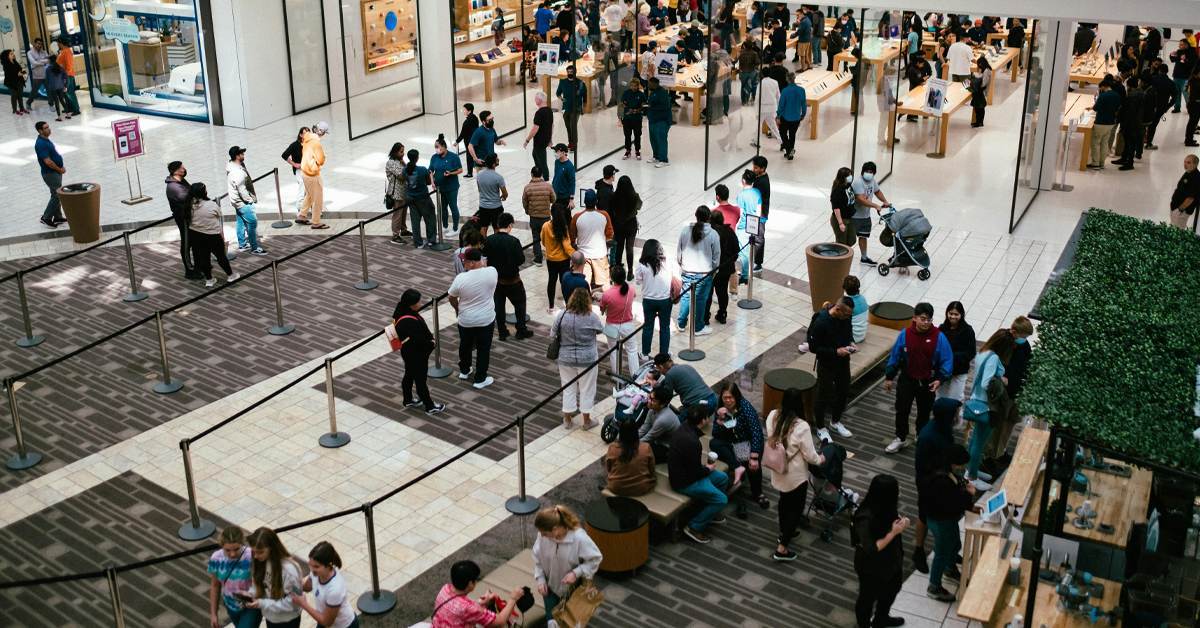
5. Physical retail is back, and it needs to speak the local language
Physical retail being back is one of the retail industry trends that surprised even the optimists. Reports of the store’s death were greatly exaggerated, and the data is starting to confirm it. According to the National Retail Federation, shopping mall foot traffic rose in the first half of 2025, with visit durations also increasing, as retailers transform physical spaces into experience destinations, places people come to feel something and connect with a brand rather than simply to complete a transaction.
Walmart is remodeling over 650 locations under its Stores of the Future concept, blending AI-driven personalization with genuine in-store experience, while Dick’s Sporting Goods is leaning into community and culture as primary drivers, and CVS is extending its trusted in-store relationships into adjacent healthcare services that give customers a reason to visit beyond convenience.
For brands opening or operating in new physical markets, this shift raises the stakes on in-store communication considerably, because signage, staff training materials, safety notices, loyalty program collateral, and point-of-sale content all now need to feel genuinely local rather than technically correct but slightly foreign, and customers in a physical environment are far less forgiving of that gap than they might be when browsing online.
Global brands like Levi Strauss have worked with Global Lingo on exactly this kind of challenge, from learning and development localization to in-market communications, making sure the in-store experience in new markets feels as considered and intentional as it does at home.
If workforce training localization is part of this picture for your brand, our piece on common retail industry challenges covers the operational detail in more depth.
6. Hyper-local is where retail industry trends actually live
This is the trend that ties everything else together, and the one that most brands underestimate until they’re already in market and wondering why their international performance doesn’t match what the strategy predicted.
The retailers performing best internationally aren’t the ones with the biggest global campaigns or the most ambitious rollout schedules, they’re the ones who understand that a global strategy only delivers if it’s genuinely local in execution, and there’s a meaningful difference between those two things that customers can always sense, even if they can’t always articulate exactly what feels off.
English is no longer the dominant language online. W3Techs data shows that English usage across the web has been in sustained decline, and the non-English-speaking consumer base continues to grow significantly across Asia, Latin America, the Middle East, and Africa. An English-first approach to international retail is quietly leaving revenue on the table, and the cost of correcting it compounds every year it’s left unaddressed.
According to Deloitte’s UK retail and consumer trends for 2026, the most resilient brands going into 2026 are those combining technology with human-led intelligence, recognizing that local nuance and authentic communication aren’t soft extras or finishing touches, they are genuine competitive advantages that show up in conversion rates, customer retention, and long-term market share.
Hyper-local doesn’t mean translating your global campaign into 12 languages and calling it done. It means building content that feels like it was made for each market, because in effect it was. The brands that have figured this out aren’t treating language as a production task at the end of the process. They’re treating it as a strategic input that shapes everything from the start. Hyper-local execution is where every other retail industry trend on this list either delivers or falls flat.

What this means for your brand
The retail brands pulling ahead in 2026 aren’t the ones with the biggest budgets or the boldest technology bets. They’re the ones who can take a trend and make it land clearly in every market they operate in. Every trend on this list only delivers real commercial value if your brand can communicate it credibly, to the right consumer, in the right language, with the right cultural context.
That’s a harder problem than it looks on a strategy slide. It compounds quickly when you’re operating across multiple borders, multiple languages, and multiple regulatory environments at the same time.
Global Lingo works with retail brands across more than 150 languages. We cover localization, transcreation, international SEO, and website localization. We help brands make every market feel like a home market.
Are any of these trends shaping your expansion plans or marketing roadmap? It’s a conversation worth having sooner rather than later.
Book a free consultation with the Global Lingo retail team. Find out where language could be unlocking more from what you’re already investing in.