
Retail digital touchpoints are multiplying, and so are global consumers’ expectations. Every channel and every market brings its own set of requirements. This article explores what that means for brands operating across borders, and why localization sits at the heart of every successful retail experience.
A defining shift in retail
Retail is no longer a single destination; it is a network of experiences that spans platforms, devices, and environments. What once centered around physical stores and, later, e-commerce websites have evolved into a fully connected ecosystem where consumers interact with brands across multiple digital and physical touchpoints. Capital One Shopping Research found that, “Online retail sales increased dramatically after COVID, averaging 9.47% annual growth between 2022 and 2025.”
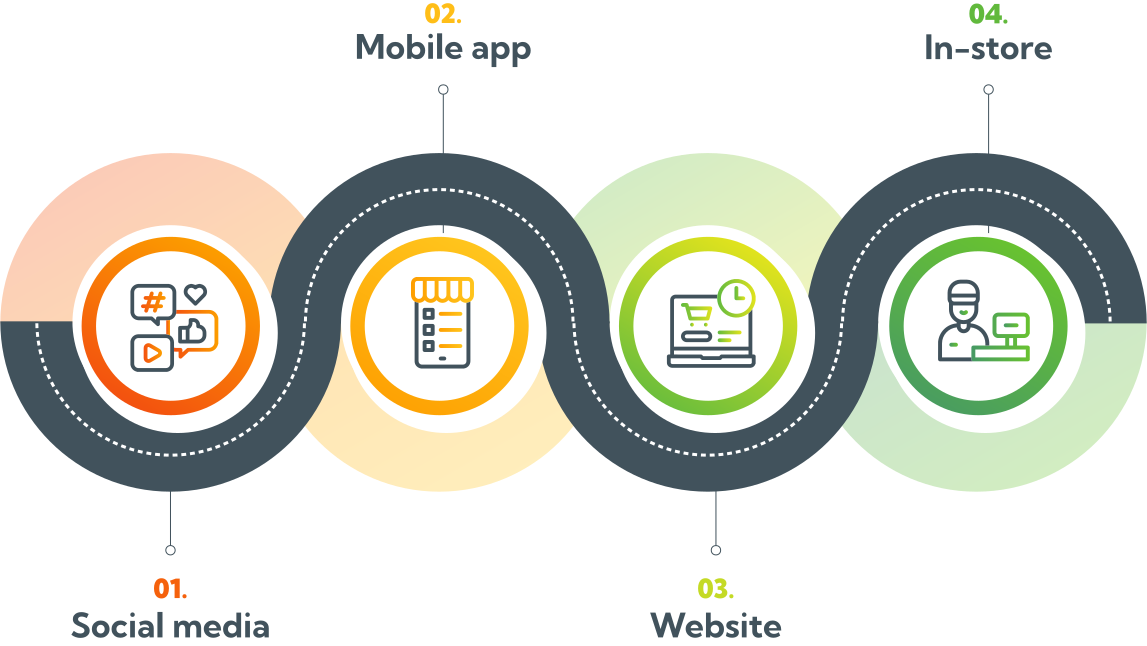
Today, a single purchase journey might begin on social media, continue with a mobile app, move to a website, and end in-store, or follow an entirely different path. Marketing Charts has found, “Among respondents under the age of 45, a much stronger majority (71%) begin by browsing online, and most (58%) end up buying online, too. Among the 42% share who make their purchases in-store, half start by browsing online (21% overall) and half by browsing in-store.” These interactions are not isolated; they are interconnected, continuous, and increasingly complex.
Retail is now everywhere.
For global brands, this evolution presents both opportunity and challenge. While there are more ways than ever to reach customers, there are also more formats, contexts, and expectations to manage. Nowhere is this more evident than in the growing diversity of retail channels, and the content required to support them. CTO Magazine study states, “..Walmart continues to enhance its digital capabilities and make a path in the e-commerce market. It’s currently the second-largest online retailer in the U.S. by market share. Walmart’s revenue for the quarter ending April 30, 2024, was $161.508B, a 6.05% increase year over year.”

E-commerce websites: The foundation of digital retail
E-commerce websites remain a central pillar of retail, acting as the primary destination for product discovery, research, and purchase. However, even this “traditional” digital channel has evolved. Modern websites are dynamic, personalized, and content-rich, featuring everything from product descriptions and reviews to interactive tools and localized promotions.
For localization, this creates both scale and precision challenges:
- Large volumes of product content requiring frequent updates
- SEO considerations across multiple languages
- Region-specific pricing, promotions, and compliance requirements
Website localization is no longer a one-time effort. It is an ongoing process that must adapt continuously to changing inventory, campaigns, and user behavior. You will start to see this more than ever. As IKEA notes, “IKEA U.S. is excited to announce the launch of its complete, in-language e-commerce experience for Spanish-speaking customers. This new platform will allow Spanish-speaking customers to shop for affordable home furnishings, learn about the latest news from the brand, and discover all the great benefits that IKEA has to offer, including how to become an IKEA Family member.” Beyond language, IKEA has enhanced its digital experience for Spanish-speaking customers by adapting content, navigation, and key features to feel fully native and easy to use.
Mobile apps: Real-time, personalized engagement
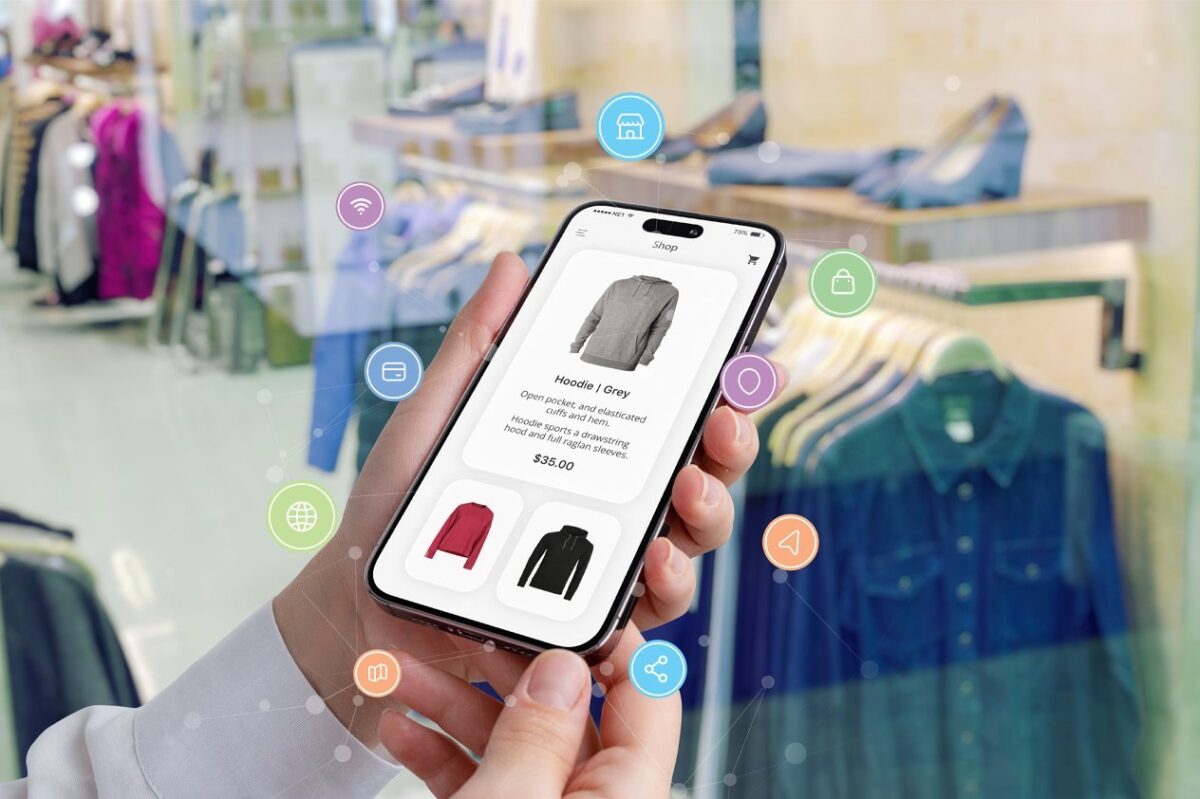
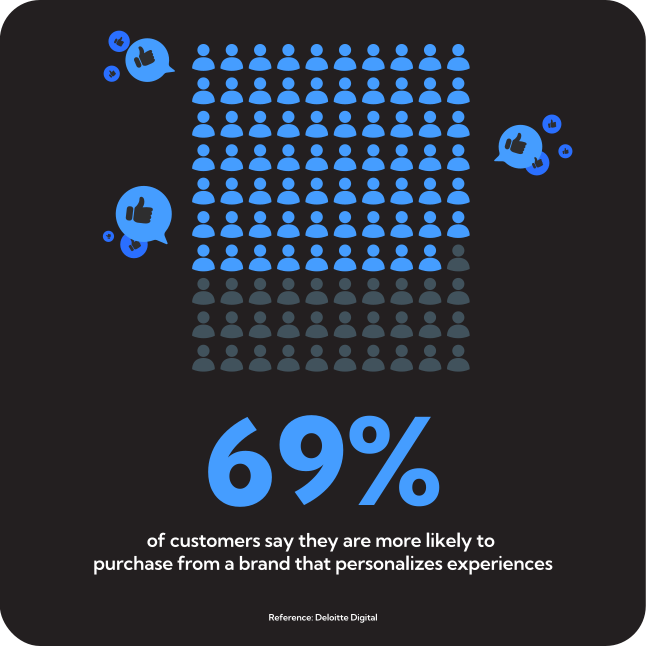
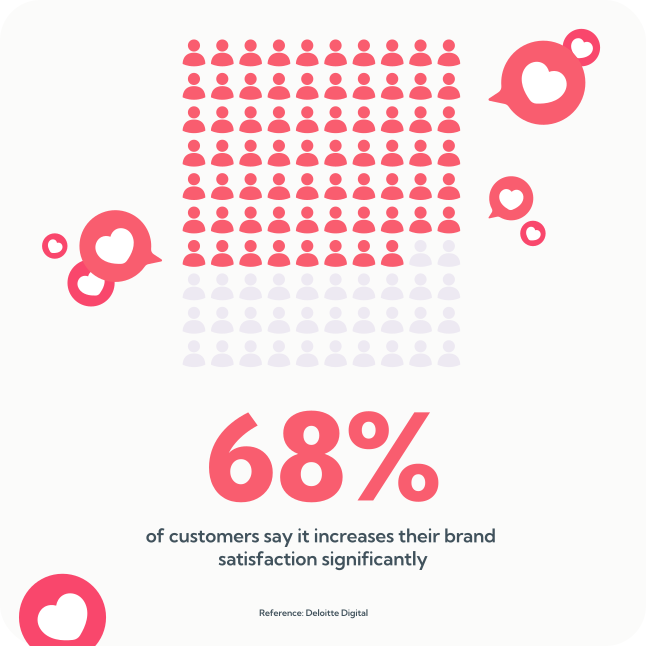
Mobile apps bring retail even closer to the consumer, offering personalized, real-time interactions through notifications, in-app messaging, and tailored recommendations. Deloitte Digital shared, “69% of customers say they are more likely to purchase from a brand that personalizes experiences, and 68% say it increases their brand satisfaction significantly.”
 |
 |
Unlike websites, app content is often shorter, more immediate, and highly contextual. Push notifications, for example, must be concise, engaging, and culturally relevant, all within strict character limits.
This introduces unique localization challenges:
- Microcopy that must retain meaning across languages
- Real-time updates requiring rapid turnaround
- Personalization that varies by region and user behavior
In this environment, localization must be agile. Delays or inaccuracies can directly impact user engagement and retention.

Social media and live commerce: Culture at speed
Social media has become one of the most influential retail channels, shaping how consumers discover and interact with brands. We Are Social highlights, “…that there are now more than 5 billion active social media user identities, with the global total reaching 5.04 billion at the start of 2024.”
 |
 |
Platforms now serve as both marketing channels and direct sales environments, particularly with the rise of live shopping and in-app purchasing. Content on social media is fast moving, trend driven, and deeply rooted in local culture. What resonates in one market may not translate, literally or culturally, in another.
Key localization considerations include:
- Adapting tone, humor, and cultural references
- Aligning with local trends and platform behaviors
- Managing high volumes of short-form, time-sensitive content
Speed is critical, but so is authenticity. Brands must strike a balance between global consistency and local relevance, often in real time. “Localized social media is social media content specifically geared toward an audience’s regional, cultural, and linguistic preferences rather than a broad set of general characteristics.”
Marketplaces and third-party platforms: Adapting to ecosystem rules
Online marketplaces and third-party retail platforms introduce another layer of complexity. Each platform has its own structure, requirements, and audience expectations. Product listings must be optimized not only for language but also for platform specific algorithms and formats.
Challenges include:
- Adhering to platform guidelines and content structures
- Managing duplicate yet slightly varied content across platforms
- Maintaining brand voice within constrained formats
Localization in this context is as much about adaptation as it is about translation. As Phrase explains, “Localizing apps involves content translation and adapting your app to different cultures and locations. It should also account for local preference, legal regulations, and cultural differences”, all essential for delivering a seamless customer experience.

In-store digital experiences: The physical-digital convergence
Even physical retail spaces have become digitally enhanced. In-store screens, interactive kiosks, and QR-enabled experiences now connect the physical environment with digital content. These touchpoints must align with online messaging while also supporting the immediacy of in-store decision making.
Localization considerations include:
- Synchronizing in-store content with global campaigns
- Ensuring clarity and impact in short-form visual messaging
- Adapting content for regional audiences within physical locations
This joining of physical and digital retail reinforces the need for a unified localization strategy. These channels require conversational, natural language that reflects both brand tone and local communication styles.
Key challenges include:
- Maintaining consistency across automated and human interactions
- Adapting tone for different cultures and expectations
- Supporting multilingual, real-time communication
In many cases, these interactions are the most direct and personal touchpoints a brand has with its customers, making accurate and culturally appropriate localization essential.
Localization is the thread that unites every retail experience, preventing fragmentation and inconsistency. In today’s interconnected, fast paced, and culturally diverse landscape, consumers expect seamless, personalized interactions across websites, apps, social media, marketplaces, and physical stores. For global brands, this means moving beyond simple translation to adapt content, tone, and messaging across channels and cultures, ensuring every touchpoint, from app notifications to social media campaigns and in-store experiences, reflects the brand while resonating locally.
For companies like Global Lingo, this means moving beyond traditional translation to deliver fully integrated, omni-channel localization that supports both brand consistency and local relevance, allowing global retailers to communicate effectively with diverse audiences in real time. In today’s retail landscape, a unified localization strategy is no longer optional, it is essential for maintaining customer trust, engagement, and loyalty across every digital and physical interaction. Retail is everywhere, but only those who speak the language of their customers, everywhere, will thrive.

